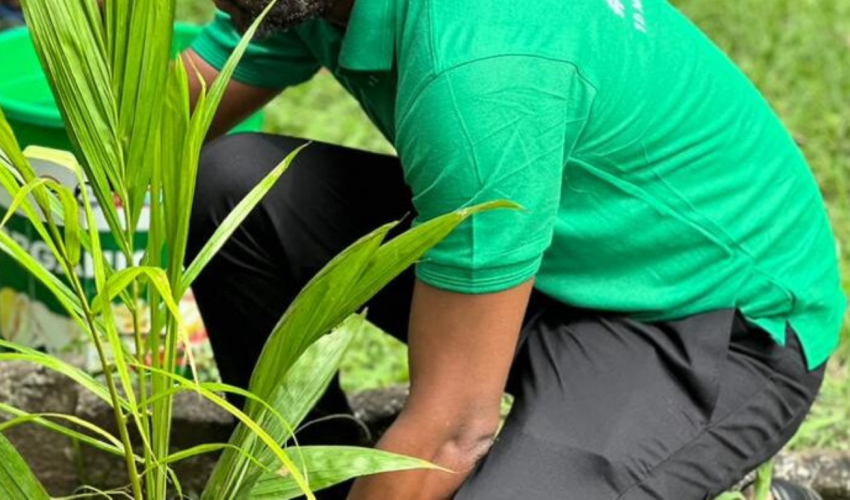
When Ghana launched the Green Ghana Initiative in 2021, it was welcomed as a bold national response to decades of deforestation, land degradation, and climate vulnerability. Its launch officially made tree planting a civic duty. Across schools, farms, churches, and forest reserves, millions of seedlings were planted, backed by presidential leadership and nationwide mobilization.
Four years on, Green Ghana remains one of the country’s most visible environmental programs. Yet visibility alone does not settle the deeper question: is the initiative delivering lasting ecological value, or is it masking unresolved structural failures in forest governance?
From an implementation standpoint, Green Ghana has achieved what many environmental programmes struggle to do. Between 2021 and 2024, more than 50 million trees were planted nationwide, often exceeding annual targets. Survival rates, estimated between 70 and 80 percent in some locations, represent a notable improvement on earlier afforestation efforts.
These gains point to better nursery practices, improved planting schedules and early-stage maintenance. They also demonstrate what is possible when political will aligns public institutions, communities, and private actors behind a shared objective. In a country where environmental programs have historically been fragmented, this level of coordination deserves recognition.
The forest loss paradox
However, the success of Green Ghana cannot be assessed in isolation. Satellite imagery and independent assessments continue to show that Ghana is losing forest cover, including in protected reserves. Illegal mining, logging, agricultural expansion, and fires are still eroding mature forests at a pace that tree planting has not offset.
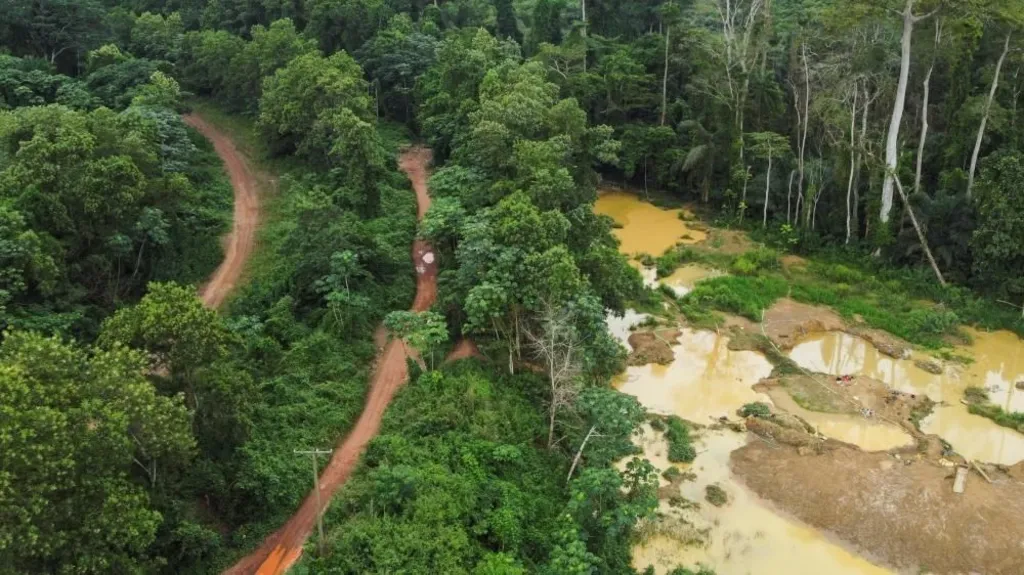
This creates a troubling paradox. Ghana is planting millions of trees while simultaneously losing forests that took decades to mature. From an ecological standpoint, the difference matters. Mature forests store far more carbon, regulate water systems, protect soils, and sustain biodiversity in ways that young plantations cannot replicate for many years.
When old forests are cleared, the carbon they hold is released immediately. Newly planted trees, by contrast, absorb carbon gradually. The climate balance, therefore, is not determined by how many seedlings are planted, but by whether forest loss is halted.
Climate promise without proof
Green Ghana is frequently framed as a climate solution, and rightly so. If protected and allowed to mature, restored forests could sequester millions of tons of carbon dioxide over time. This positions Ghana favorably for climate finance, carbon markets, and ESG-aligned investment.
Yet ambition alone does not unlock these opportunities. Ghana still lacks a robust national system for measuring, reporting and verifying carbon sequestration linked to restoration efforts. At the same time, deforestation elsewhere continues to release stored carbon, eroding net gains.
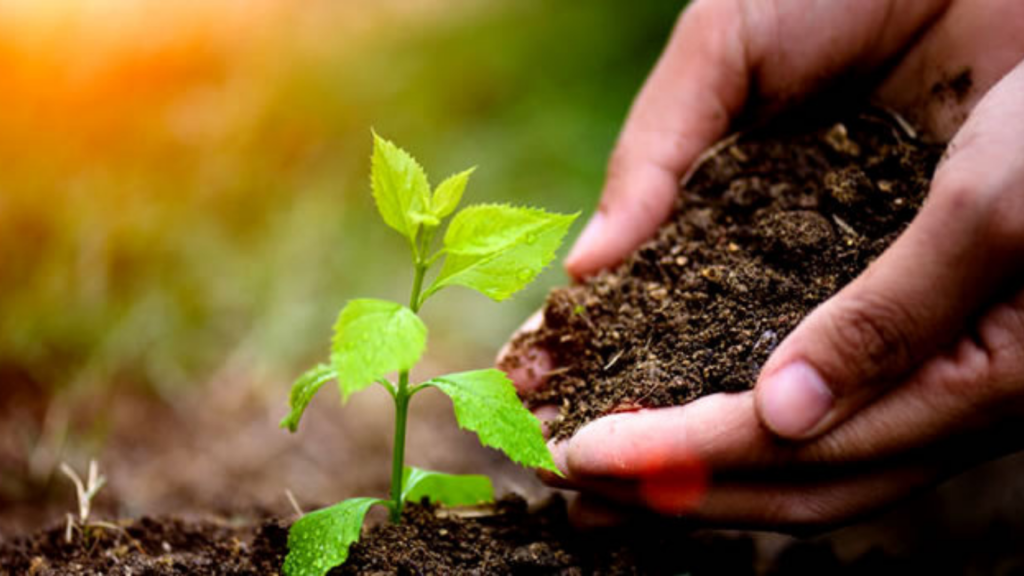
Another quiet omission in the Green Ghana narrative is biodiversity. Much of the planting has focused on fast-growing exotic species such as teak and eucalyptus. These species are attractive because they survive well and have commercial value, but they often support limited wildlife and provide fewer ecosystem services than indigenous forests.
As a result, success is largely measured by seedling counts rather than by indicators of ecosystem recovery such as soil health, water regulation or species diversity. Without these measures, tree planting risks becoming a plantation exercise rather than true ecological restoration.
Forests are not just collections of trees, they are complex systems. Restoring them requires more than meeting annual planting targets.
Governance determines outcomes
Ultimately, the fate of Green Ghana will not be decided on ceremonial planting days. It will be decided in the years that follow. Too many planted areas remain exposed to illegal mining, logging, fires and land-use change. Weak enforcement, unclear land tenure and limited community incentives continue to undermine long-term outcomes.
Where communities benefit directly through agroforestry, benefit-sharing arrangements and secure tenure, trees are more likely to survive. This reinforces a fundamental truth: tree planting is not an event; it is long-term asset management. Without governance reforms, even the best-intentioned restoration efforts will struggle to endure.
From Planting to Protection
Green Ghana has not failed; however, it has not yet become transformational. Ghana is planting trees, but it is still losing forests. Climate benefits are possible, but not yet proven. Economic and ecological value exists, but it is not fully secured.
The initiative can still deliver real returns if its focus shifts from trees planted to forests protected, from annual visibility to long-term verification, and from headline numbers to ecological outcomes.
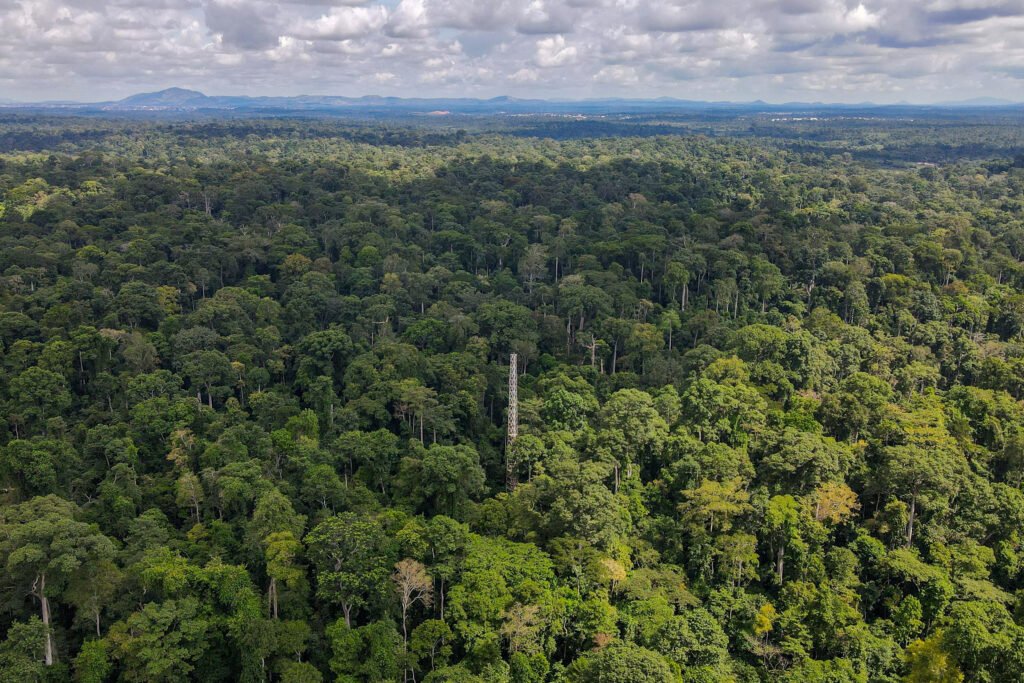
Until we can clearly answer how much forest Ghana loses versus how much it restores, what its net carbon balance truly is, and who is accountable when restored areas are destroyed, the country risks investing in symbolism while its natural capital remains exposed.
The real test of Green Ghana is not how many seedlings enter the soil, but how many forests stand decades from now.
For more lifestyle and environmental stories, subscribe to the Beneath This Palm Newsletter.
Source: BeneathThisPalm